Why Radiology Second Opinions Matter
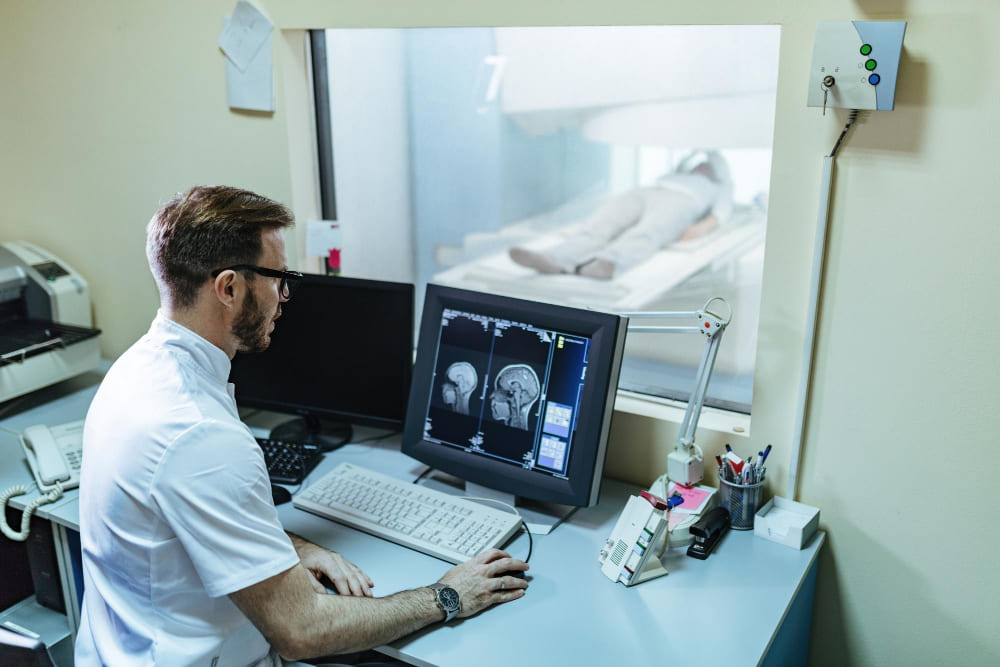
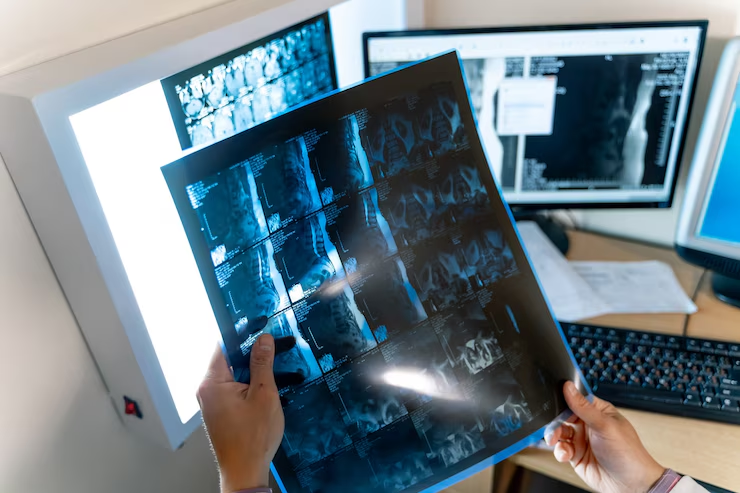
Medical imaging, MRI, CT, X-ray, ultrasound, and PET scans, plays a critical role in diagnosing and monitoring disease. But interpreting these images is complex, subjective work. Studies consistently show that radiology misinterpretation rates range from 3% to 30%, depending on the subspecialty and complexity of the case.
For patients facing a serious diagnosis like cancer, a neurological condition, or a musculoskeletal problem, a second opinion from a subspecialist radiologist can:
- Confirm the original diagnosis, giving you confidence in your treatment plan
- Identify a different diagnosis, potentially changing your treatment entirely
- Detect findings that were missed, including incidental findings that need follow-up
- Provide more specific characterisation, such as tumour grading or staging
When Should You Get a Radiology Second Opinion?
Not every scan needs a second read, but certain situations strongly warrant one:
- Cancer diagnosis: Oncology-related imaging is among the most complex to interpret. A neuroradiologist, breast imaging specialist, or thoracic radiologist may see things a general radiologist misses.
- Surgical planning: If surgery is being recommended based on imaging findings, a second opinion ensures the surgical plan is based on accurate information.
- Unexpected or unclear findings: If your report contains ambiguous language (“cannot exclude”, “clinical correlation recommended”), a subspecialist review can provide clarity.
- Discrepancy between symptoms and report: If your symptoms don’t match what the radiology report says, a second look is warranted.
- Complex cases: Multi-system disease, rare conditions, or paediatric imaging benefit from subspecialist expertise.
How Online Radiology Second Opinions Work
With platforms like Hospitual, getting a radiology second opinion no longer requires travelling to another hospital or waiting weeks for an appointment. The process is:
- Submit your case online: upload your DICOM files (the standard format for medical images), provide your clinical history, and ask specific questions.
- Choose a subspecialist: browse board-certified radiologists matched to your case type, with transparent pricing.
- Receive a detailed report: your specialist reviews the images and writes a comprehensive report with findings, analysis, and recommendations.
The entire process is asynchronous no appointments, no waiting rooms. Reports are delivered electronically and stored securely in your account.
What to Look for in a Second Opinion Service
When choosing a radiology second opinion provider, consider:
- Subspecialist access: General radiologists and subspecialists interpret differently. Ensure the platform offers the specific subspecialty you need (neuroradiology, breast imaging, musculoskeletal, etc.).
- Doctor credentials: Verify that doctors are board-certified and credentialed by recognised medical bodies.
- Transparent pricing: Know the cost before you commit.
- Secure file handling: Medical images contain sensitive data. Ensure the platform uses encrypted storage and follows data protection standards.
- Turnaround time: Understand how long the review typically takes.
The Bottom Line
A radiology second opinion is one of the most impactful steps a patient can take after receiving imaging results, especially for complex or serious diagnoses. With online platforms making subspecialist opinions accessible worldwide, there is no longer a reason to rely on a single interpretation when the stakes are high.